

Refrigerant selection is determined by system design, compressor compatibility, operating pressure, lubricant, safety classification, and manufacturer requirements. It should never be based only on what is readily available or inexpensive.
Professionals buying refrigerant gases in Nagpur need to verify product identity, cylinder condition, purity, handling requirements, and application suitability before charging any cooling system.
Confirm the Refrigerant Specified for the Equipment
The equipment nameplate or technical manual generally states the required refrigerant. Common systems may use refrigerants such as R134a, R32, R404A, R407C, R410A, or R600a, depending on the appliance and its design.
These products are not interchangeable. They differ in operating pressure, flammability, oil compatibility, charging method, and system capacity.
Changing refrigerant without an engineered retrofit assessment can reduce performance or create serious safety risks.
Inspect the Cylinder and Identification
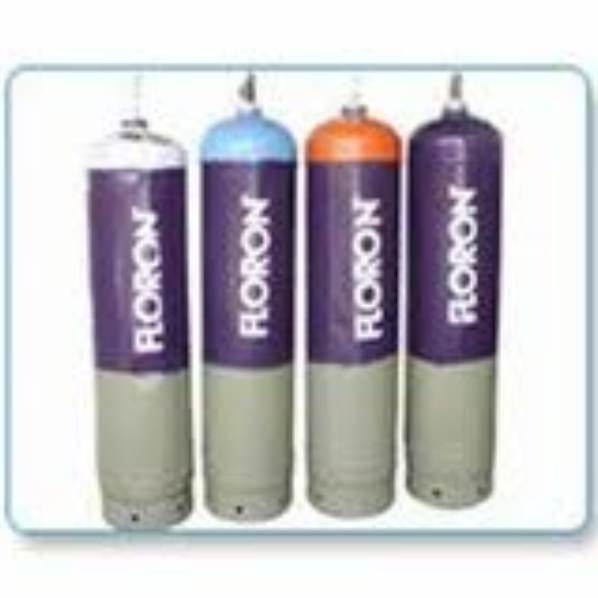
A refrigerant cylinder should have clear product identification and appropriate labelling. The valve, body, seal, and protective arrangement should be inspected before use.
Buyers should avoid cylinders with unclear markings, damaged valves, severe corrosion, or uncertain filling history. Product traceability and proper documentation provide greater confidence than colour alone, as cylinder-colour conventions can change or vary.
The net refrigerant quantity should also be checked so stock planning is based on usable product rather than cylinder size.
Why Refrigerant Purity Matters
Contaminated refrigerant may contain moisture, air, mixed gases, oil, or particles. These contaminants can cause high pressure, poor cooling, corrosion, ice formation, and compressor damage.
Suspicious operating pressures after charging should not automatically be corrected by adding more refrigerant. The technician should verify temperature, airflow, system condition, evacuation quality, and the refrigerant source.
Recovered refrigerant must be handled according to its condition and should not be mixed with other refrigerants.
Understand Charging Requirements
Some refrigerant blends can change composition if charged incorrectly. Depending on the product and manufacturer instructions, liquid-phase charging may be necessary.
Accurate charging generally involves:
- Repairing confirmed leaks
- Pressure-testing with an appropriate dry gas
- Evacuating the system
- Charging by specified weight
- Monitoring operating conditions
- Checking for leaks after commissioning
Releasing refrigerant into the atmosphere should be avoided. Suitable recovery equipment and safe handling practices are essential.
Consider Safety Classification
Certain modern refrigerants are mildly flammable or highly flammable. R32 and hydrocarbon refrigerants, for example, require equipment, ventilation, and working practices suitable for their safety class.
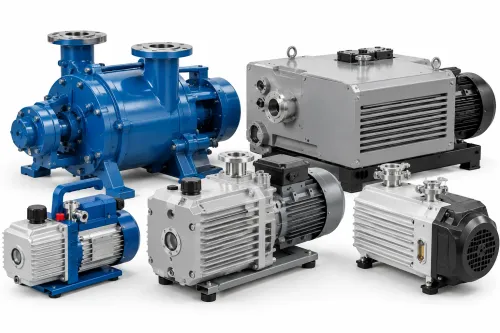
Ignition sources must be controlled, and technicians should use compatible recovery machines, vacuum pumps, detectors, and tools where required.
Evaluate the Supplier
Ask whether the refrigerant is sealed, identifiable, correctly stored, and supplied with relevant documentation. Availability of matching service accessories such as hoses, manifolds, recovery tools, oils, and leak-detection products can also simplify procurement.
Cool Care Corporation serves refrigeration and HVAC professionals seeking application-appropriate refrigerants and related components in Nagpur. Buyers can improve product matching by sharing the equipment model, refrigerant designation, required quantity, and intended application.
Nagpur’s high cooling demand makes dependable refrigerant sourcing particularly important during summer. Proper selection and disciplined handling protect technicians, equipment owners, and the refrigeration systems being serviced.