

A food-processing pressure pump cannot be priced or selected from horsepower alone: the fluid, flow, pressure, temperature, hygiene standard, and connection type all change the quotation. By comparing the right pump design, duty point, documentation, stock status, and installed extras, you can identify a suitable machine and avoid paying for a general industrial pump that cannot be cleaned safely.
Key takeaways
- Product transfer commonly needs 2–6 bar at pump discharge.
- Size the pump from required flow, total head, viscosity, and pipe losses.
- Match wetted materials and seals to the food fluid and cleaning chemicals.
- Compare quotations for duty point, hygiene details, delivery, and after-sales support.
Which food-processing jobs need a pressure pump?
Product transfer often needs only about 2–6 bar at the pump discharge, but cleaning, dosing, and utility services demand different pressure, flow, and material choices. A food processing pressure pump in Nagpur is not one universal machine.
| Task | What the pump does | Specification that matters |
|---|---|---|
| Product transfer | Moves milk, sauce, brine, or liquid ingredients | Hygienic centrifugal pump for low-viscosity liquids; 304 or 316L wetted parts, drainable casing, and a compatible mechanical seal |
| CIP circulation | Drives cleaning solution through tanks, pipes, and spray devices | Flow sized for pipe velocity and circuit pressure drop, not maximum pressure; chemical- and temperature-resistant elastomers |
| Washdown | Supplies water to hoses, lances, or spray guns | High-pressure plunger or diaphragm pump, commonly rated from tens to hundreds of bar; this is not a product-transfer pump |
| Dosing | Injects acid, alkali, flavour, or additive at a controlled rate | Metering diaphragm, piston, or peristaltic design with accurate low flow and chemical-compatible wetted parts |
| Utility and spray service | Feeds boilers, steam systems, filters, or fixed spray nozzles | Pump selected for the utility’s temperature, pressure, flow, and continuous duty rather than food-contact hygiene alone |
A pressure pump for processing equipment must be specified with flow, discharge pressure, temperature, viscosity, solids, connection standard, wetted grade, seal, and duty cycle. A pressure-washer quotation cannot replace a hygienic transfer or CIP pump simply because its pressure rating is higher.
What pressure pump price should you expect in Nagpur?
Expect ₹25,000–₹90,000 for a small stainless centrifugal pump, ₹60,000–₹2.5 lakh for a sanitary or multistage pump, and ₹1.5–₹6 lakh for a high-pressure plunger or triplex pump. These indicative pump-only bands exclude GST, freight, installation, piping, and commissioning.
| Pump type | Indicative Nagpur price, excluding GST | Typical application |
|---|---|---|
| Small 0.5–3 hp stainless centrifugal | ₹25,000–₹90,000 | Basic transfer or utility water |
| 2–10 hp sanitary or multistage | ₹60,000–₹2.5 lakh | Hygienic transfer or CIP circulation |
| 5–20 hp plunger or triplex | ₹1.5–₹6 lakh | High-pressure cleaning or spray systems |
The pressure pump price for food processing in Nagpur rises with 316L wetted parts, a product-compatible mechanical seal, VFD control, and a fabricated skid. Chlorides, acidic products, saline ingredients, or aggressive cleaning chemicals justify checking 316L rather than accepting a casing labelled only “stainless steel.”
Compare the quotation line by line. A low pump-only figure can exclude the baseplate, coupling guard, pressure gauge, relief or bypass line, sanitary valves, flexible connectors, tri-clamp gaskets, and replacement seals.
Ask for these additions when your process needs them:
- 3.1 material certificates, food-contact declarations, and hygienic-design documentation
- VFD, control panel, gauges, and commissioning
- Sanitary connections, drainable geometry, and compatible elastomers
A high-pressure cleaning pump works in the tens to hundreds of bar and is not a product-transfer substitute. Product transfer often needs about 2–6 bar; CIP selection depends on circuit pressure drop and required pipe velocity, not maximum pressure.
How do you size a pump for the actual process?
Size it from the duty point: required flow at the total dynamic head, not from motor horsepower. Calculate static lift, pipe friction for the full pipe length, and losses through elbows, valves, filters, heat exchangers, spray nozzles, and other fittings. Convert operating discharge pressure into equivalent head, then add the losses.
Give the supplier this process data:
- Flow rate in litres per minute or cubic metres per hour, including minimum, normal, and peak demand
- Discharge pressure or required pipe velocity, suction conditions, and elevation difference
- Product temperature, viscosity at that temperature, solids size and concentration, and whether air enters the suction
- Pipe diameter and length, fitting count, valve types, filter rating, heat-exchanger pressure drop, and spray-device details
- Duty cycle: continuous, intermittent, batch duration, starts per hour, and washdown or CIP frequency
A pressure pump for processing equipment must run near its best-efficiency point at the normal duty. A food processing pressure pump in Nagpur selected only by kW can deliver too little flow, create excessive shear, heat its seal, or operate far from efficient performance.
Compare curves using these fields:
| Selection evidence | What to compare | Why it matters |
|---|---|---|
| Flow and TDH curve | Required flow at calculated head | Confirms the pump meets the process duty |
| Efficiency or absorbed-power curve | Power at the duty point | Exposes energy use and motor-loading differences |
| Speed and operating range | Tested speed, minimum flow, and maximum pressure | Prevents unstable operation and overheating |
| Temperature and materials | Maximum product temperature, wetted grade, seals, elastomers | Confirms compatibility and service life |
Which pump design and hygienic specification fit the fluid?
Match the pump to viscosity, solids, shear sensitivity, pressure, and cleaning method—not horsepower alone. A pressure pump for processing equipment can damage product, lose prime, or retain residue when its design does not fit the fluid.
| Design | Best fit | Main limitation |
|---|---|---|
| Centrifugal | Low-viscosity liquid transfer and CIP circulation | Loses performance with high viscosity or air |
| Multistage | Higher pressure from clean, thin liquids | More costly and sensitive to solids |
| Positive-displacement | Accurate flow against changing pressure | Needs relief protection |
| Diaphragm | Dosing, abrasive fluids, or air-containing product | Pulsation and diaphragm wear |
| Piston | Metering viscous ingredients at high pressure | Higher shear and maintenance |
| Plunger | High-pressure washdown or spray systems | Poor choice for delicate product transfer |
| Gear | Oils, syrups, and other viscous liquids | Can shear or clog with solids |
| Rotary-lobe | Gentle transfer of viscous or particulate food | Lower pressure and higher purchase cost |
| Sanitary pump | Hygienic product transfer with cleanable geometry | Specification and documentation raise cost |
For a food processing pressure pump in Nagpur, specify 304 stainless steel for ordinary wetted service and 316L when chlorides, acidic products, saline ingredients, or aggressive cleaning raise corrosion risk. Confirm that the wetted parts—not only the outer casing—use the stated grade.
Request a smooth documented internal finish, fully drainable casing, reduced dead legs, hygienic welds, and CIP compatibility at the actual temperature, flow, and chemical concentration.
Match the mechanical seal and elastomers to the product and cleaning chemicals, then obtain material certificates, seal or elastomer declarations, a dimensional drawing, pump curve, and plant-required food-contact and hygienic-design evidence. Food-contact paperwork alone does not prove cleanability or weld quality.
How should you check Nagpur availability and a supplier quotation?
A quotation is usable only when it matches your process, not merely your required horsepower. Ask a pressure pump supplier in Nagpur to confirm flow and pressure at the stated operating speed, fluid temperature, viscosity, solids, connection standard, and duty cycle.
Check these points before comparing prices:
- Confirm whether the unit is food-process suitable or a general pressure-washer pump. Reject cast-iron or painted wetted parts, an unspecified stainless grade, missing pump curves, undisclosed seal materials, non-drainable cavities, and unavailable replacement gaskets.
- Require motor rating, voltage and frequency, efficiency or absorbed power, maximum temperature, seal arrangement, elastomer grade, wetted materials, rotation, connections, warranty, and tested performance.
- Ask for local stock of mechanical seals, impellers, plunger packings, sanitary gasket sets, and motor starters, plus replacement lead times.
| Option | Availability to confirm | Written delivery allowance |
|---|---|---|
| Standard 230 V single-phase or 415 V, 50 Hz three-phase pump | Local stock and dispatch location | About 1–3 weeks |
| Configured sanitary pump with 316L, tri-clamp fittings, or specified surface finish | Factory availability and documentation | About 3–8 weeks |
| High-pressure plunger or triplex package | Pump, motor, controls, and skid completion | Confirm a project-specific date |
An industrial pressure pump dealer in Nagpur should state freight, GST, installation, commissioning, and delivery area separately. Cool Care Corporation can fit the local sourcing decision when its team verifies the missing specifications and spare-part support before forwarding a comparable pressure-pump quotation.
Related product
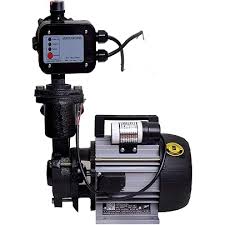 | Pressure Pump Model Name/Number N/A Usage/Application N/A Head N/A Pump Type N/A Brand N/A Motor Horsepower N/A Pressure N/A Product Type N/A Discharge Pressure... View product → |
Frequently asked questions
Which food-processing jobs need a pressure pump?
Pressure pumps support product transfer, dosing, cleaning-in-place circuits, water services, and utility duties. Each job needs its own flow and pressure specification.
What pressure pump price should you expect in Nagpur?
Price depends on flow, discharge pressure, motor power, pump design, stainless-steel grade, seals, controls, and accessories. Request itemised quotations instead of comparing motor power alone.
How do you size a pump for the actual process?
Specify the required flow rate, discharge pressure or total head, fluid viscosity, temperature, suction conditions, pipe length, elevation, valves, filters, and required operating hours.
Which pump design and hygienic specification fit the fluid?
Select the design from the fluid’s viscosity, solids, shear sensitivity, temperature, and cleaning method. Confirm wetted materials, surface finish, sanitary connections, drainability, and seal compatibility.
How should you check Nagpur availability and a supplier quotation?
Ask a pressure pump supplier in Nagpur to confirm stock or lead time, tested duty point, documentation, spare parts, installation support, warranty terms, and every included accessory.