

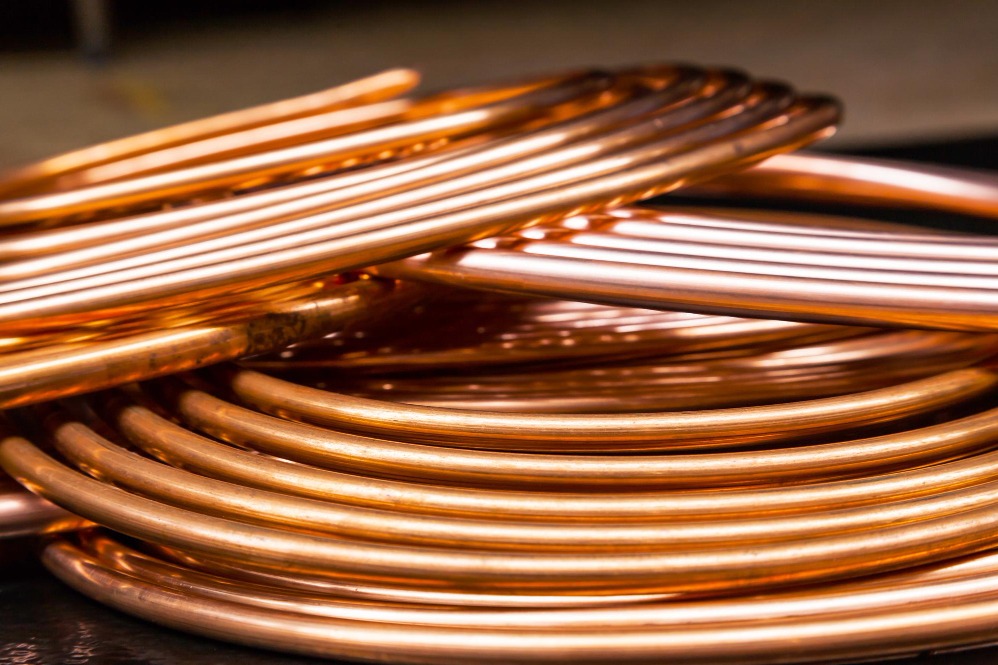
Copper tubing carries refrigerant between critical components of an air-conditioning or refrigeration system. Incorrect diameter, unsuitable wall thickness, poor cleanliness, or careless storage can lead to pressure loss, leakage, contamination, and premature system failure.
Contractors sourcing copper tubes in Nagpur should evaluate the technical requirements of the installation before comparing prices.
Confirm the Required Tube Size
Cooling equipment manufacturers specify suction and liquid-line sizes for each model and capacity. These dimensions should be followed unless an approved engineering calculation supports a change.
An undersized suction line can create excessive pressure drop and reduce capacity. An oversized line may result in poor oil return, particularly in vertical risers or systems operating at part load.
Important details include:
- Outside diameter
- Wall thickness
- Total piping length
- Vertical rise
- Number of bends
- Refrigerant type
- System pressure
- Equipment capacity
Long piping runs may require additional design considerations, including refrigerant adjustment, traps, and pipe-size confirmation.
Choose Tubing Suitable for Refrigeration Service
Refrigeration-grade copper tubing should be clean, dry, and appropriately sealed. Internal cleanliness is essential because moisture, dust, and metal particles can circulate with refrigerant and oil.
The selected tube must also be suitable for the working pressure of the refrigerant. Higher-pressure systems may require different wall thicknesses from older low-pressure applications.
General-purpose copper pipe should not be assumed to be suitable for every HVAC installation.
Inspect Quality Before Installation
Check that the tube is round, free from deep scratches, and not flattened or kinked. Ends should remain capped until preparation begins.
Discolouration on the outside does not always make a tube unusable, but internal contamination is a significant concern. Tubing stored open in a dusty or humid location should be treated cautiously.
For coiled tubing, inspect whether the coil unwinds smoothly without cracks or severe deformation.
Plan the Installation Accessories Together
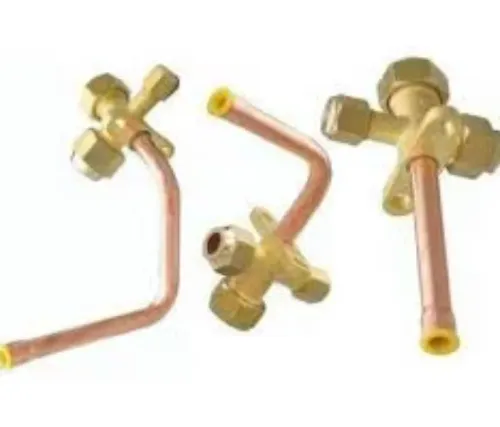
Copper tubing is only one part of the piping system. Contractors may also require insulation, flare nuts, brazing rods, supports, sleeves, filter driers, service valves, and nitrogen for brazing.
Insulation thickness should suit the operating temperature and local environment. Poor insulation can cause condensation, water damage, and unwanted heat gain.
Outdoor insulation in Nagpur requires protection from sunlight, weather, and physical damage.
Ask the Right Questions Before Ordering
Before confirming a purchase, provide the equipment model, refrigerant, required tube sizes, estimated length, and whether the installation involves a vertical lift.
Ask the supplier about:
- Tube dimensions and tolerances
- Wall-thickness specification
- Intended refrigeration application
- Packaging and end sealing
- Coil or straight-length availability
- Consistency across repeat orders
- Supporting fittings and insulation
Cool Care Corporation helps AC installers, refrigeration engineers, and B2B buyers identify copper tubing and related installation accessories according to system requirements.
Signs That a Buyer Is Ready to Order
A contractor is ready to purchase when the routing has been measured, equipment connections are known, line sizes have been confirmed, and an allowance has been included for bends and termination.
Buying before these details are available can lead to shortages, unnecessary joints, or unsuitable material.
For projects in Nagpur and elsewhere in Maharashtra, correct tube selection contributes to efficient cooling, reliable oil return, cleaner installation, and fewer refrigerant leaks over the life of the equipment.