

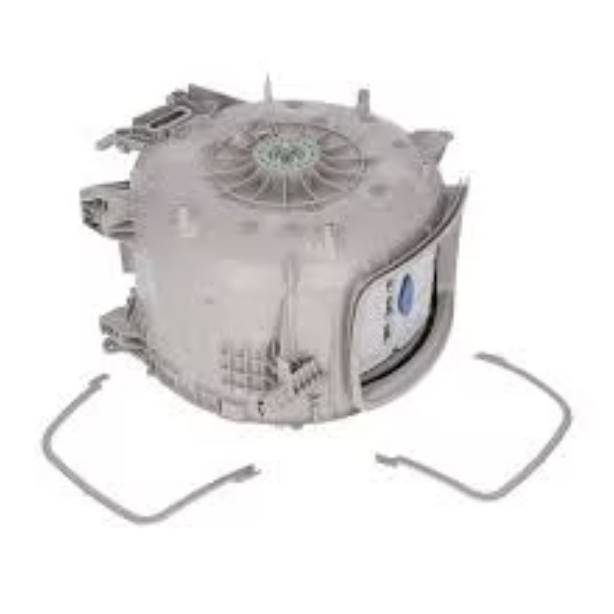
Washing machines may look straightforward from the outside, but their internal components vary significantly by brand, model, load type, and control system. A drain pump, inlet valve, belt, or PCB that fits one machine may be unsuitable for another that appears almost identical.
Correctly identifying spare parts for a washing machine in Nagpur can reduce repeat repairs, prevent installation damage, and save time for appliance service professionals.
Begin With the Complete Model Details
The appliance label is the most dependable starting point. It may be located behind the machine, near the door opening, beneath the lid, or on the rear cabinet.
Record the following information:
- Brand name
- Full model number
- Product or service code
- Serial number
- Manufacturing series
- Rated voltage and frequency
- Washing capacity
A partial model name is often insufficient because manufacturers may release several revisions under a similar product family.
Match Electrical Components Carefully
Drain pumps, inlet valves, door locks, motors, capacitors, heaters, and control boards must match the machine’s electrical specifications.
An incorrect voltage or wattage can create unsafe operation. Connector shape alone does not confirm compatibility. The number of terminals, coil resistance, mounting arrangement, flow direction, and control method may also differ.
When replacing a PCB, compare the board number, firmware version where applicable, display compatibility, and connected motor type.
Check Mechanical Dimensions
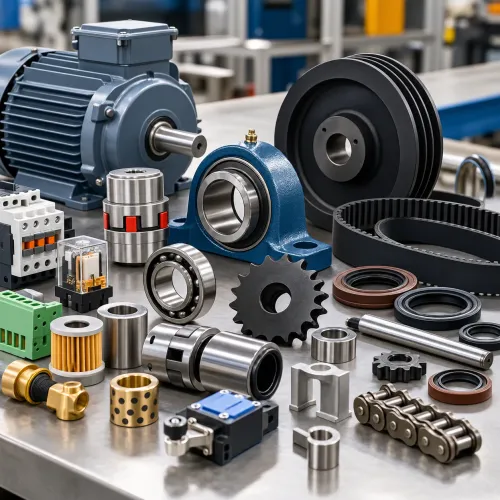
Mechanical parts require accurate physical comparison. For belts, note the printed belt code, length, profile, and number of ribs. For bearings and seals, measure the inner diameter, outer diameter, and width.
Other measurements may include:
- Shaft diameter
- Pulley size
- Hose diameter
- Pump outlet orientation
- Suspension rod length
- Door-lock mounting distance
- Agitator or pulsator fitting
Photographs taken from multiple angles can help when old markings have faded.
Understand the Fault Before Ordering
A component should not be replaced simply because it is associated with the visible symptom. A machine that does not drain may have a blocked hose, trapped object, damaged wiring, failed pump, or control-board problem.
Similarly, excessive vibration can result from an uneven floor, overloaded drum, damaged suspension, worn bearings, or incorrect installation.
Testing the part and its supporting circuit helps prevent unnecessary purchases.
Genuine, Compatible, and Universal Parts
Genuine parts are produced or approved for a particular appliance model. They usually offer straightforward compatibility but may cost more or require longer sourcing time.
Compatible parts are made by third-party manufacturers for specific machines. Their quality can vary, so specifications and supplier reliability should be reviewed.
Universal components can be useful for certain hoses, capacitors, switches, and service accessories. They should only be used when the electrical rating, dimensions, safety requirements, and operating function genuinely match.
Consider Local Operating Conditions
Hard water, voltage fluctuation, overloading, and detergent residue can affect washing machines used in Nagpur and nearby areas of Maharashtra. Scale may reduce heater efficiency, while moisture and detergent deposits can damage connectors or sensors.
When replacing a failed part, technicians should also address the condition that contributed to the failure. This may involve cleaning the drain path, improving earthing, correcting water pressure, or advising the user about load limits.
Accurate model identification, proper testing, and careful specification matching form the foundation of a durable repair. These practices help service centres select washing-machine parts efficiently while reducing callbacks and avoidable component damage.