

A “cut tee” is not a complete purchasing specification: you must identify the pipe material, outside diameter, branch pattern, joining method, fluid, pressure, temperature, and hygiene duty before comparing suppliers. By the end, you will be able to separate a refrigeration copper tee from a sanitary process fitting, prepare a precise enquiry, and evaluate installation and pricing risks.
Key takeaways
- State tube outside diameter, branch size, pattern, and end connection.
- Choose fittings with cleanable, compatible materials for the process duty.
- Keep cut ends, flux, and brazing debris out of the product line.
- Compare cut tee prices using the same size, material, and connection specification.
Define the tee before you ask a Nagpur supplier to quote
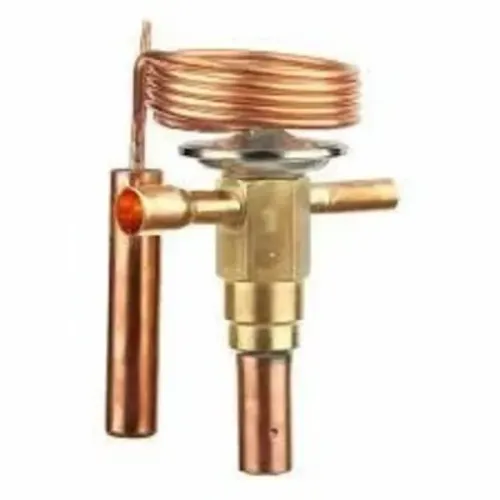
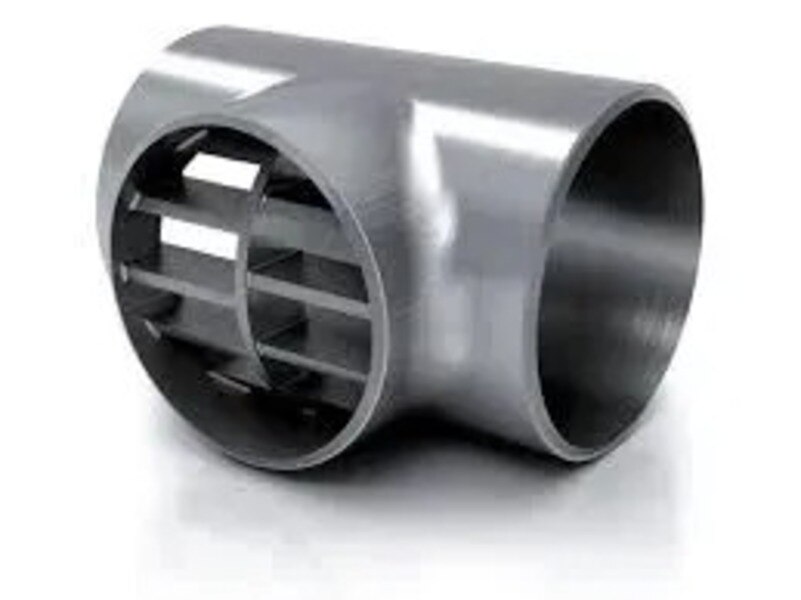
A hard-pipe cut tee is a three-outlet fitting that divides one straight pipe run into two branch lines. For hard-drawn copper tube, it is normally a manufactured copper tee with soldering or brazing sockets, not a connector for flexible soft tube.
“Cut tee” can describe three different products:
| Option | What it means | Purchasing consequence |
|---|---|---|
| Manufactured tee | Factory-made fitting with formed sockets | Defined bore, dimensions, and joint responsibility |
| Cut and formed tee | Tube is cut and shaped into a branch | Inspect bore shape, wall thinning, and forming quality |
| Fabricated branch | A branch is made into existing pipe | Installation, welding or brazing, inspection, and final-joint responsibility shift to the fabricator |
State whether you need an equal or reducing tee. An equal tee has three matching outlets; a reducing tee has a smaller or different branch. Give every dimension, such as 22 mm × 22 mm × 12 mm, and identify the branch. Do not write “standard tee.”
A saddle cut into existing pipe is not a drop-in manufactured tee. It may need a reinforcing pad, qualified welding procedure, and inspection.
Before contacting a cut tee for hard pipe supplier in Nagpur, specify:
- Hard-drawn copper or carbon/stainless steel pipe
- Three outside diameters, wall thickness, alloy, and temper
- Solder, brazed, press-fit, compression, flare, or welded ends
- Fluid, design pressure, temperature, certificates, and quantity
If the pipe is carbon steel or stainless steel, stop the copper enquiry. Specify pipe schedule, material grade, weld-end details, and ASME B16.9 butt-welding fittings.
Match outside diameter, branch pattern, and end connection
Match the tee to the tube’s actual outside diameter (OD), not an unqualified nominal pipe size. For a hard pipe cut tee in Nagpur, measure the tube with calipers or read its marking, then state the main-run OD, branch OD, wall thickness, alloy, and temper in the purchase request.
Possible hard copper sizes include 6 mm, 8 mm, 10 mm, 12 mm, 15 mm, 22 mm, 28 mm, 35 mm, 42 mm, 54 mm, and 68 mm. Confirm availability; suppliers do not stock every combination.
Write the geometry as three dimensions and identify the branch: 22 mm × 22 mm × 12 mm, branch 12 mm. For an equal tee, write 22 mm × 22 mm × 22 mm. Confirm that outlets are straight, the branch is centred, and each socket accepts the stated tube wall.
A nominal description can select the wrong socket when HVAC inventory is compared with process-piping stock.
Compare connection options before ordering:
| Option | Identification to request | What can go wrong |
|---|---|---|
| Sweat socket | Solder or brazed socket, socket depth, clearance | The tube bottoms incorrectly or the joint lacks penetration |
| Press-fit end | Compatible press profile and tool | The fitting cannot be installed with available jaws |
| Compression or flare end | Nut, ferrule, cone, and tube standard | Parts appear similar but do not seal |
| Threaded end | Thread type and size | Different threads bind or leak |
Ask whether the tube is ASTM B280 compatible and the wrought fitting follows ASME B16.22. “Copper tee” alone is insufficient.
Check whether the fitting is suitable for food-processing duty
A copper HVAC tee can enter a food plant’s utility system, but not automatically its product line. Identify the service first: product-contact piping, chilled water, glycol, compressed air, refrigerant, steam, cleaning solution, or another utility. Product-contact piping needs a cleanable bore, drainability, controlled surface finish, and no dead legs, crevices, forming cracks, or residue traps.
For a product-contact tee, ask the supplier for:
- The wetted material, alloy or stainless grade, temper, wall thickness, and tube compatibility; for refrigeration copper, check ASTM B280 tube compatibility and ASME B16.22 fitting details.
- Material traceability, including heat or lot identification where applicable, plus the elastomer grade for any seal and the required surface-finish certificate.
- Confirmation that the internal bore has no oil, scale, burrs, oxide, or manufacturing residue.
- The maximum working pressure and temperature at your actual operating conditions, not just a general air-conditioning rating.
- Compatibility with the named refrigerant, glycol concentration, water chemistry, steam, detergent, sanitiser, or food fluid.
A standard refrigeration tee does not prove hygienic suitability. “Food grade” alone proves nothing without the material and finish records. A tee rated for air-conditioning may fail in a higher-pressure refrigerant circuit, hot-gas line, caustic wash, or product-contact service.
If “hard pipe” means carbon steel or stainless process pipe, stop the copper enquiry: specify the pipe schedule, grade, and weld ends for an ASME B16.9 butt-welding fitting.
Install, test, and document the branch without contaminating the line
1. Return the branch to service only after the line passes its approved test and sanitation release. Isolate the system, lock out electrical, pneumatic, hydraulic, and thermal energy, drain the line, and verify zero pressure at the work point.
For a product line, cap or cover every open end against dust and record the sanitation hold point.
2. Cut the hard pipe square, then remove internal and external burrs without reducing the bore. Clean and dry both tube and socket surfaces. Dry-fit the tee to confirm branch orientation, socket insertion depth, and unobstructed passage before joining.
3. Use the fitting’s specified joining method; solder, brazing, press-fit, compression, flare, and threaded connections are not interchangeable. Apply flux only when the soldering procedure permits it, and remove all residue afterward. During brazing on a refrigeration circuit, purge with dry nitrogen to limit internal oxide scale.
Keep flames, hot surfaces, brazing rods, nitrogen equipment, ingredients, packaging, insulation, and combustible materials separated. Refrigerant circuits require their own leak test, pressure test, evacuation, and moisture-control procedure; never treat them like an open food line.
4. Support the branch independently so vibration and weight cannot stress the joint. Test at the approved pressure with a compatible medium, then inspect for leaks, poor alignment, incomplete penetration, deformation, and bore blockage.
Flush or clean under the validated plant procedure, and record the fitting description, lot or heat number, installer, test result, cleaning status, and release approval. A search for “buy cut tee fitting in nagpur” does not replace this evidence.
Compare suppliers and normalise the cut tee price in Nagpur
Normalize every quotation to the same specification and delivered basis before choosing a supplier. Searching for “buy cut tee fitting in Nagpur” is less useful than sending each supplier:
- Main-run and branch tube ODs, all three dimensions, plus wall thickness
- Equal or reducing pattern; copper or stainless grade; temper
- Solder, brazed, press-fit, compression, flare, or threaded connection
- Design pressure and temperature, fluid or refrigerant, quantity
- Required certificates, delivery location, GST treatment, and freight basis
Ask whether the tee is stocked, made to order, or fabricated from tube. Request a drawing or measured dimensions showing socket depth, branch orientation, end condition, and bore. “Cut tee price in Nagpur” has no defensible single answer because OD, wall, alloy, geometry, construction, polish, documentation, quantity, and delivery change the comparison.
| Quote basis | What it includes | Comparison risk |
|---|---|---|
| Ex-stock, delivered | Available locally with freight and GST stated | Often cheapest to compare, but verify actual stock and batch |
| Ex-stock, pickup | Supplier’s price before your transport and handling | Not equivalent to delivered pricing |
| Made to order or fabricated | Custom geometry, production time, inspection, and documentation | Lead time and test records can outweigh a lower unit price |
Cool Care Corporation can be included in a Nagpur enquiry when the complete duty specification is supplied for refrigeration or cooling equipment. Before accepting the batch, verify marked or measured OD, wall or schedule, branch alignment, square ends, socket depth, clean bore, and freedom from cracks or burrs.
Request pressure or leak-test evidence when the service requires it.
Related product
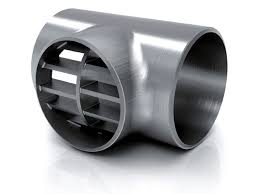 | Cut Tee for Hard Pipes Fitting Type N/A Size N/A Shape N/A Connection Type N/A Usage/Application N/A Range N/A Color N/A Thread Size N/A Design N/A Technique N/A Cool Care... View product → |
Frequently asked questions
What details should you give a Nagpur supplier when requesting a hard-pipe cut tee quote?
Give the tube outside diameter, branch outside diameter, equal or reducing tee pattern, and end connection such as solder socket, brazing socket, or another specified connection.
How do you check a cut tee for food-processing duty?
Check the fitting material, internal smoothness, cleanability, compatibility with the process fluid, and any required documentation before approving it for the line.
How should you install and test a cut tee without contaminating the line?
Keep tube ends capped, use clean tools, control flux and brazing debris, flush the branch as specified, inspect the joint, pressure-test the completed line, and record the work.
How can you compare cut tee prices in Nagpur?
Normalise quotes by comparing identical tube sizes, branch patterns, materials, end connections, quantities, documentation, delivery terms, and taxes.