

A compressor is often described as the heart of a refrigeration system because it keeps refrigerant circulating through the cooling cycle. Whether the application is a commercial freezer, display cabinet, cold room, water cooler, or industrial refrigeration unit, compressor performance directly affects cooling capacity, energy consumption, operating noise, and equipment life.
Understanding the basics can help technicians and equipment owners make informed decisions when selecting refrigeration compressors in Nagpur.
What Does a Refrigeration Compressor Do?
The compressor draws low-pressure refrigerant vapour from the evaporator and compresses it into a high-pressure, high-temperature vapour. This compressed refrigerant then moves toward the condenser, where heat is released.
A properly selected compressor allows the system to maintain the required temperature without excessive operating pressure or unusually long running cycles.
Common compressor technologies include:
- Reciprocating compressors
- Rotary compressors
- Scroll compressors
- Hermetic compressors
- Semi-hermetic compressors
- Screw compressors
Each design serves different cooling capacities, operating conditions, and commercial requirements.
Why Compressor Capacity Must Match the System
Installing a higher-capacity compressor does not automatically improve cooling. An oversized compressor may cause frequent cycling, unstable temperatures, increased power consumption, and additional stress on system components.
An undersized compressor may run continuously without achieving the required temperature. This can increase electricity use and shorten compressor life.
Selection should consider:
- Refrigeration capacity
- Evaporating temperature
- Condensing temperature
- Refrigerant type
- Required voltage and phase
- Application temperature range
- Expected ambient conditions
- Manufacturer specifications
Nagpur experiences high summer temperatures, which can raise condensing pressure in poorly ventilated installations. Local ambient conditions should therefore be considered during equipment selection and system design.
Compressor Types for Different Applications
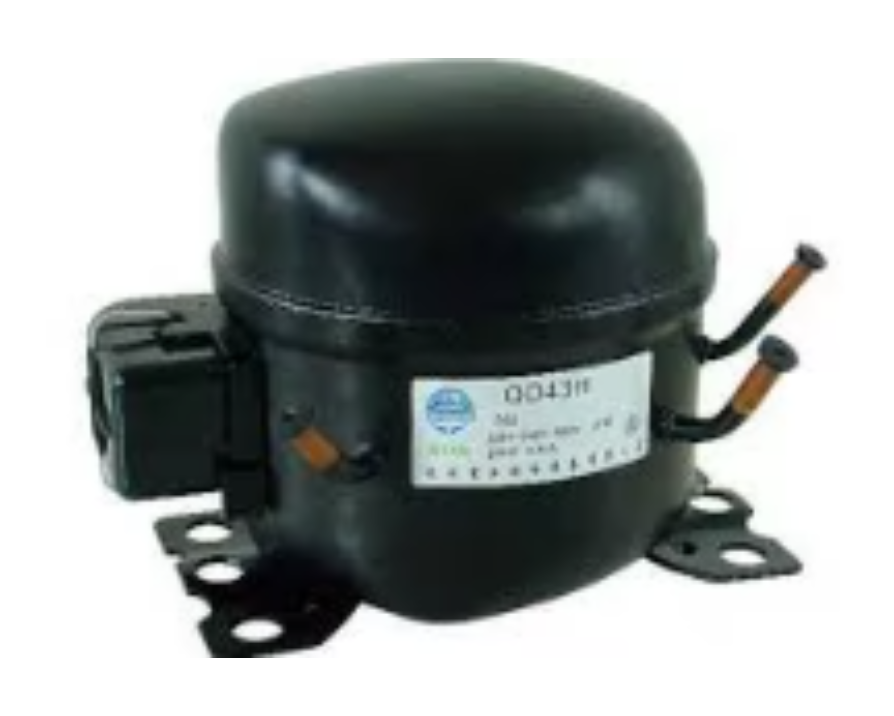
Small hermetic compressors are commonly used in domestic refrigerators, water coolers, and compact commercial equipment. They are sealed units and generally replaced as a complete assembly when an internal failure occurs.
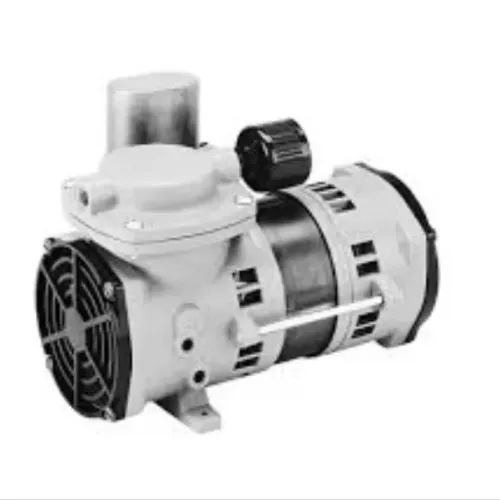
Reciprocating compressors are widely used in refrigeration because they can serve a broad range of capacities. Semi-hermetic versions may be serviceable, making them suitable for larger commercial systems.
Scroll compressors provide smooth and efficient operation in many air-conditioning and refrigeration applications. Screw compressors are generally associated with larger industrial systems requiring continuous operation and substantial cooling capacity.
The application should guide the technology choice rather than price alone.
Warning Signs of Compressor Trouble
A refrigeration system may show several symptoms when the compressor or an associated component is failing:
- Unusual humming, knocking, or clicking sounds
- Repeated tripping of the overload protector
- Excessively high discharge temperature
- Reduced cooling performance
- Hard starting
- Compressor running continuously
- Abnormally high power consumption
- Oil leakage around connections
These signs do not always confirm internal compressor failure. Problems with capacitors, relays, contactors, refrigerant charge, airflow, voltage, or system restrictions can produce similar symptoms.
Accurate diagnosis should come before replacement.
Why Installation Quality Is Important
Even a correctly selected compressor can fail early if installation procedures are poor. Technicians should use clean copper tubing, maintain proper brazing practices, replace the filter drier where necessary, evacuate the system thoroughly, and charge the specified refrigerant by weight or approved operating parameters.
Moisture, air, metal particles, and acidic oil can damage a replacement compressor. If the original unit suffered a burnout, the circuit may require additional cleaning and contamination control.
Correct compressor selection, careful diagnosis, and disciplined installation together support reliable refrigeration performance. For technicians and contractors working across Nagpur and Maharashtra, these fundamentals are essential for reducing callbacks and protecting the complete cooling system.